Four ways to use the fireplace you have
A brick fireplace in a Covina living room can stay as it is, take a wood insert, take a gas insert, or take a set of gas logs. Each choice changes three things: how much smoke reaches the room and the street, whether you can light it on a no-burn night, and what you pay to put it in and keep it running. This comparison covers all four, with the figures we can publish and a plain note where a price comes only after a visit.
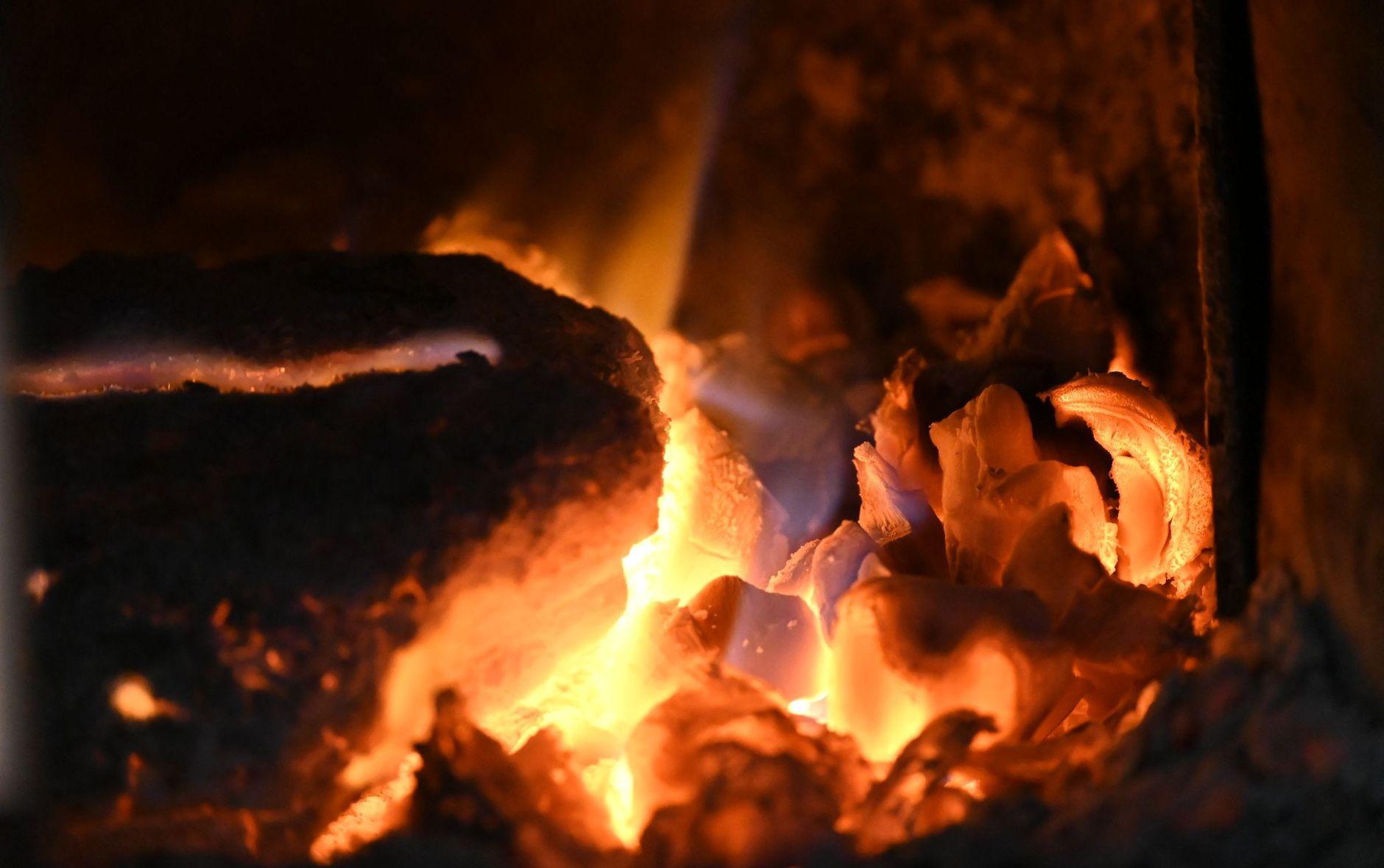
The open wood fire
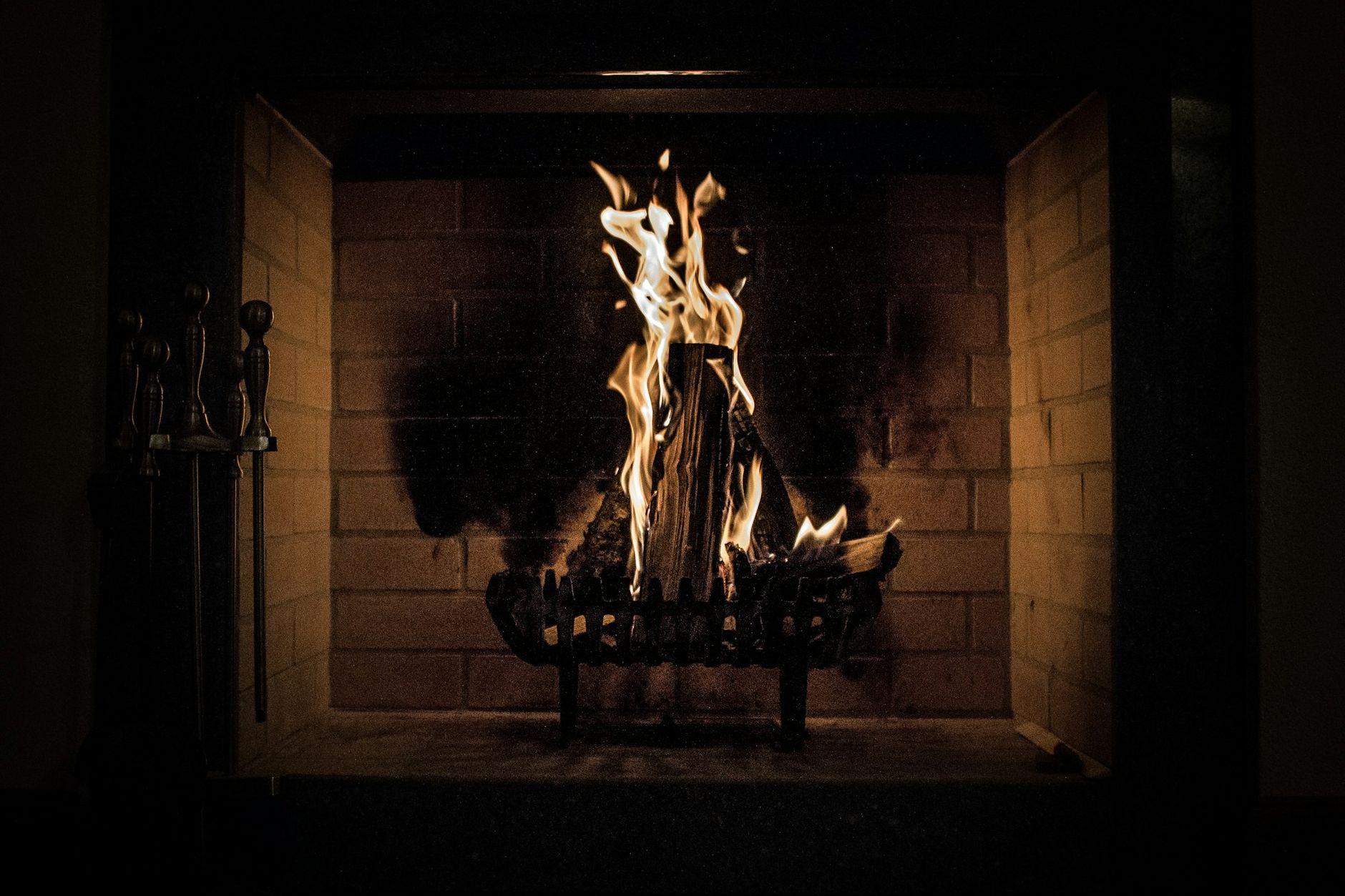
This is the fireplace as it was built. It looks and sounds like a real fire because it is one, and it costs nothing to keep beyond a yearly sweep, from $395, and the wood.
It is also the smokiest of the four. Air pours into the opening, most of the heat leaves up the flue, and the fire burns cool at its edges, which is where smoke comes from. On a still winter evening that smoke settles over the neighborhood. Under South Coast AQMD Rule 445, which covers Covina, an open wood fire may not be lit on a declared no-burn day.
Choose it when you light a few fires a year, like the crackle, and are happy to skip the curtailment nights.
The wood insert
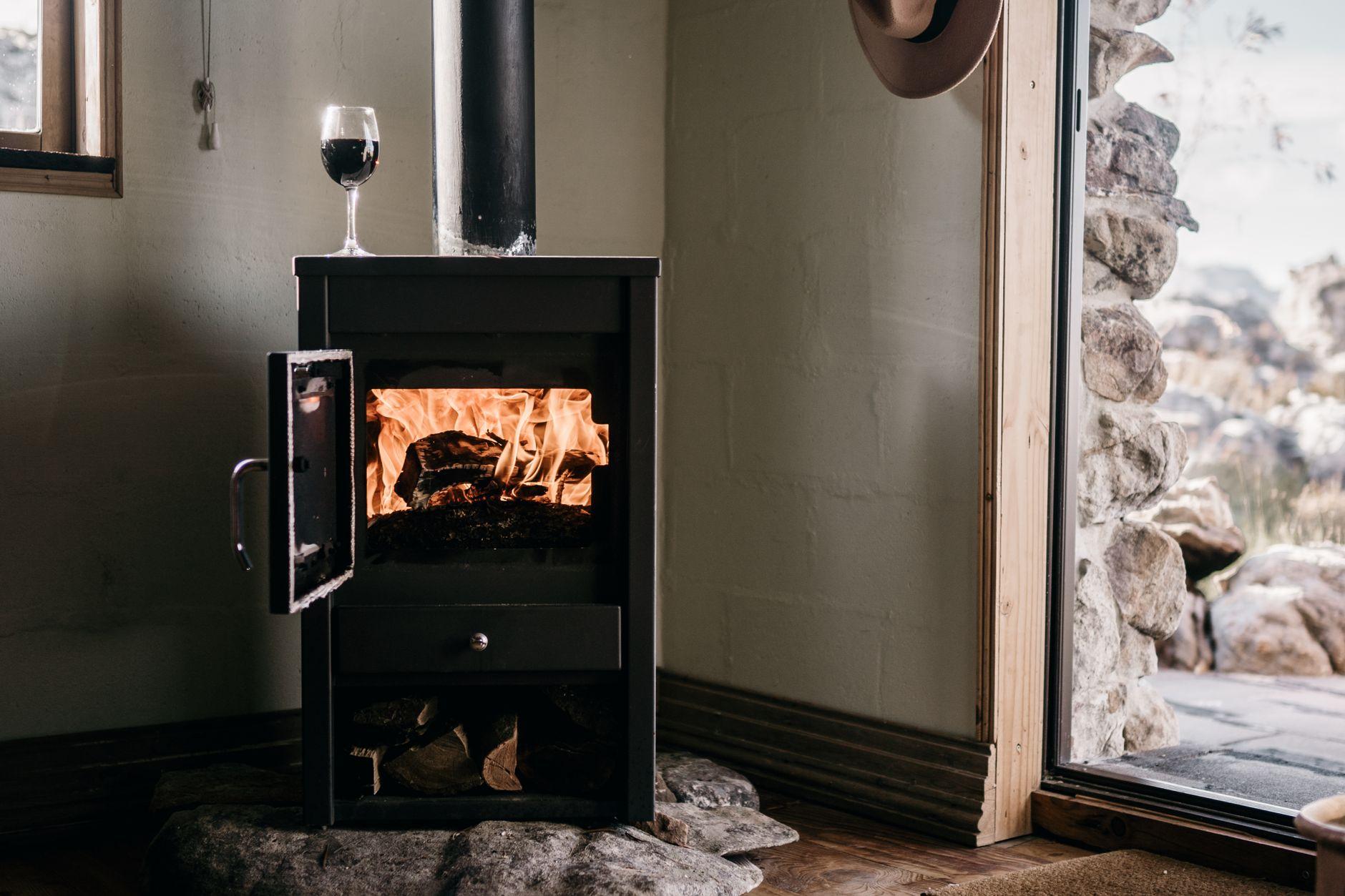
A steel firebox with a glass door, set into the masonry opening and vented through a stainless liner to the top of the chimney. The fire burns behind glass with air fed in a controlled way, so most of the smoke burns inside the box. You still get a wood fire, with much less haze, and far more of its heat stays in the room.
It still burns wood, so it still goes cold on a no-burn day. It still needs a yearly sweep. Its price has no posted figure on this site; we write it once the flue is on camera, because the liner is a large share of the job.
Choose it when you burn often, want real heat from wood, and have a flue that can take a liner.
The gas insert
A sealed gas unit in the same opening, with its own vent run up the chimney. No wood smoke at all, a flame at the turn of a switch or remote, and no ash to clear. Because the no-burn alerts are aimed at wood, a gas insert can run on the nights an open fire cannot.
Installed, a gas insert runs $2,650 to $5,250 here. Upkeep is a yearly service rather than a sweep: glass, burner, pilot and vent.
Choose it when you want a flame through the whole winter without thinking about the air next door.
Gas logs
A burner and ceramic logs set in the open firebox. They give the look of a fire with no wood smoke, but the opening stays open and the damper has to be fixed partly open, so most of the heat goes up the flue. They are the lightest change of the four. We quote a log set after seeing the firebox, since its size and the gas supply decide which sets fit; the gas logs page lists the work.
Choose them when the fireplace is for looks and you want the smoke gone at the lowest outlay.
Side by side on smoke
- Open wood fire: the most smoke, into the room on a bad draft night and over the street on every night
- Wood insert: a small fraction of an open fire's smoke, still off on no-burn days
- Gas insert: no wood smoke, usable on no-burn days
- Gas logs: no wood smoke, usable on no-burn days, little heat in the room
What decides which one fits your house
The flue and the gas line settle most of it. A cracked or oversized flue pushes the wood insert price up because the liner does more work. A gas line already at the hearth makes the gas choices cheaper. The firebox size limits which inserts fit. And how often you burn decides whether the heat from an insert is worth paying for or whether logs will do.
Tell us how often you light a fire and whether gas reaches the hearth for a written recommendation
What we look at before advising
On the visit we measure the opening, look up the flue, check for gas at the hearth, and note whether the fireplace is masonry or a factory-built unit behind a brick face. A factory-built fireplace only takes what its maker lists, which can rule out an insert entirely. Where the choice turns on the state of the flue, the camera run is our Level 2 inspection at $370, and its footage is what the liner line on a wood insert quote is written from.
Covina houses and the four choices
Most of the brick fireplaces we see around Covina, Baldwin Park and La Verne get a modest number of fires a year, and many owners end up choosing between gas logs and a gas insert once they learn that the open fire sits out every curtailment night. Owners up toward Glendora and Monrovia, where evenings run colder, lean more often toward a wood insert for the heat.
For the insert figures in more detail, read our guide to fireplace insert cost. If you keep the open fire, our post on the cost of a sweep for a smoky fireplace covers the upkeep.
Ask which one suits your fireplace
Not sure which of the four fits? Our contact page is the way to reach us; describe how you use the fireplace and we will book a visit to measure it.
Put This Article to Work at Your Hearth
Maynard Chimney Pros can do the work covered here on your own fireplace, with any price beyond our list given in writing first. We work out of Covina and visit Baldwin Park, Glendora, La Verne, Monrovia and nearby cities.