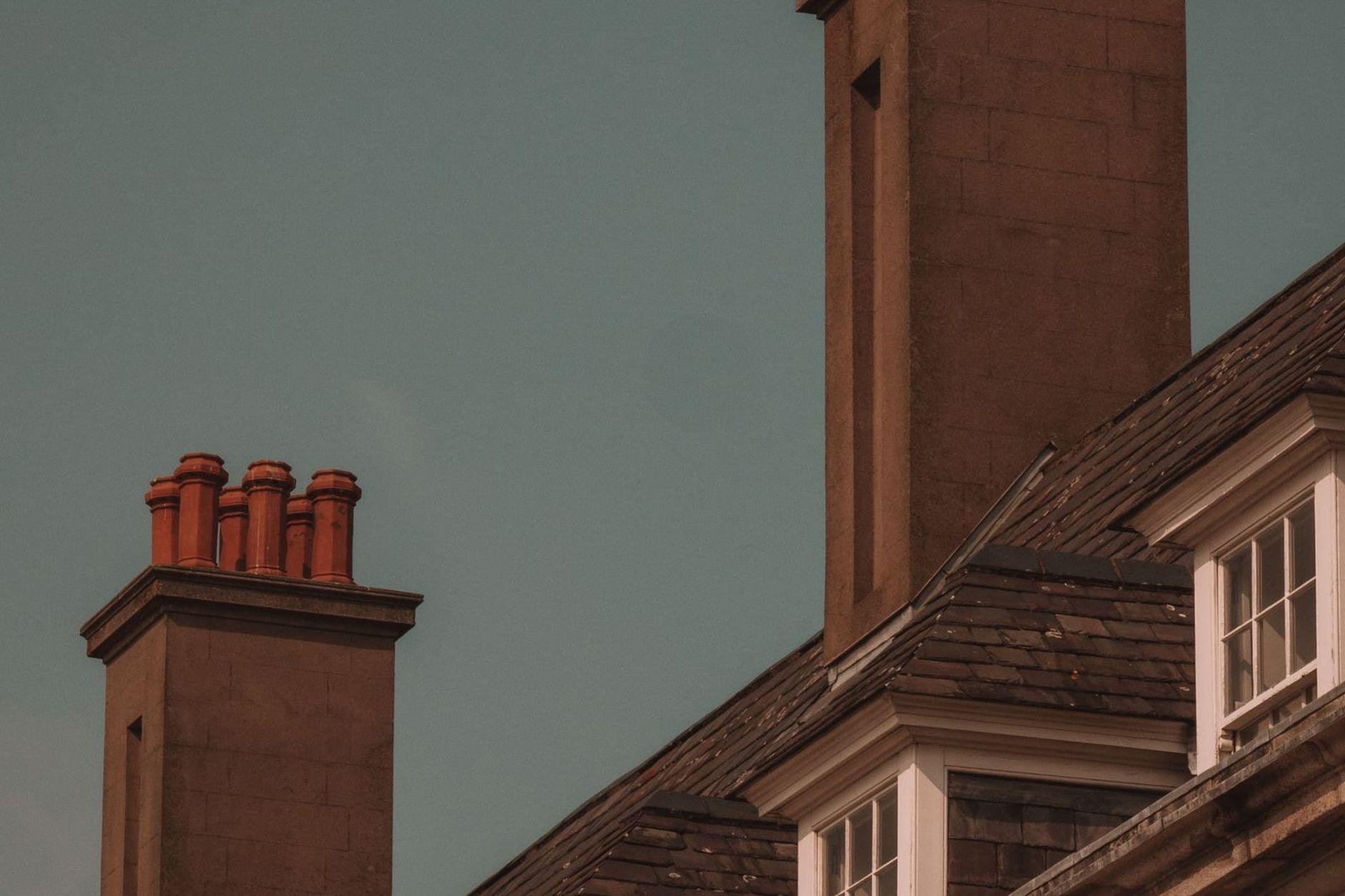
What a buyer really wants to know about the fireplace
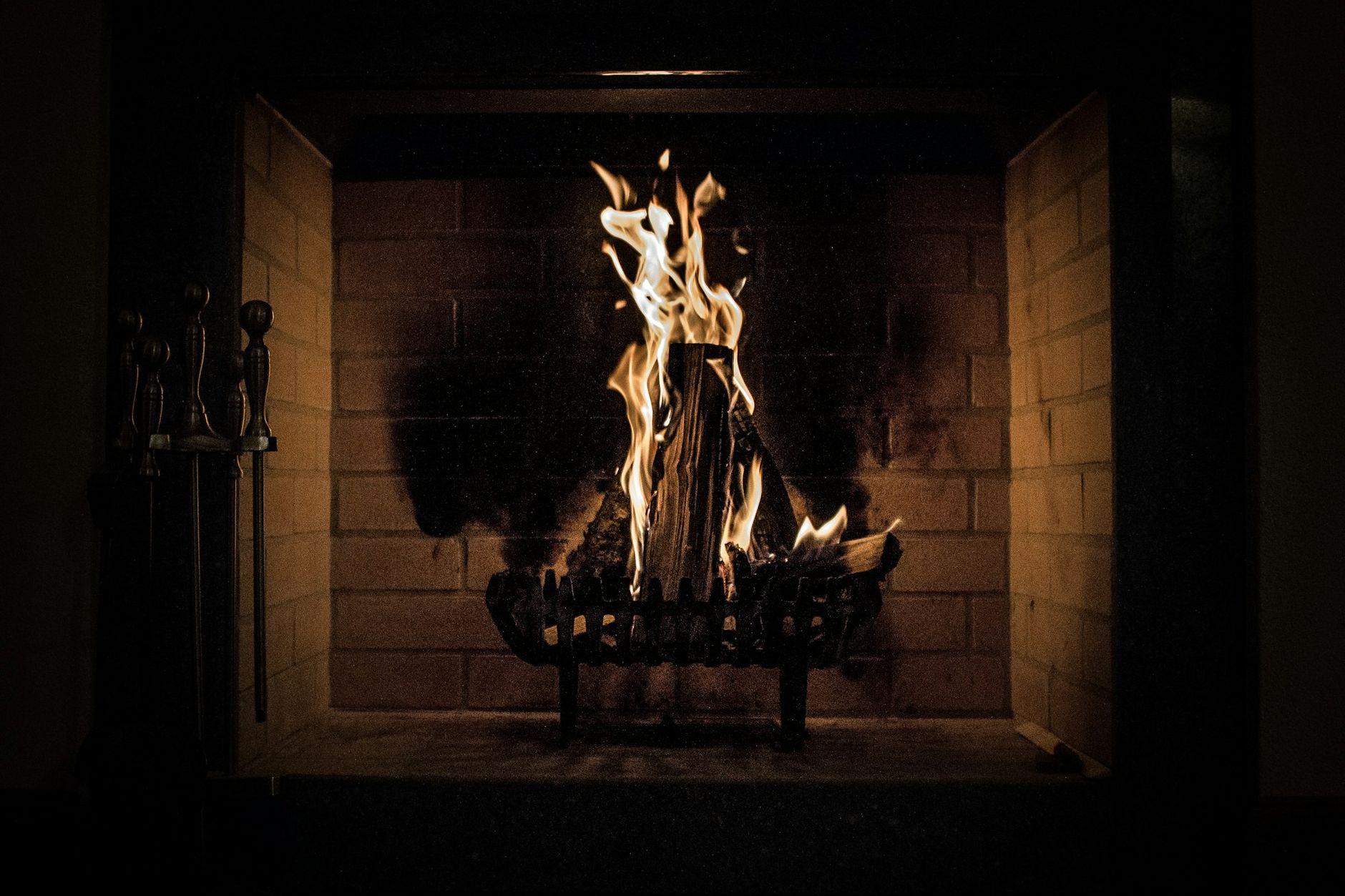
A buyer walking through a Covina house with a brick fireplace has two questions. Is it safe to light, and what would it take to make it burn cleaner? The general home inspection seldom settles either. It shines a flashlight into the firebox and often closes its fireplace line by referring you to a chimney specialist. That referral is where our Level 2 comes in.
Why a sale is the moment for the camera
The fire code most chimney work follows, NFPA 211, has a Level 1, 2 and 3, and a house changing hands is one of the triggers it names for stepping up to Level 2. The logic is simple: a new owner has no history to lean on. No record of past chimney fires, no memory of what the 1994 quake did to the stack, no idea when the flue last saw a brush. The Level 2 reaches what the flashlight cannot. A camera travels the inside of each flue, and we look at the chimney where it passes through the attic and out through the roof.
Our Level 2 is $370. Each flue in the stack gets its own camera run, so tell us how many fireplaces the house has when you book.
What the camera tends to find in older Covina houses
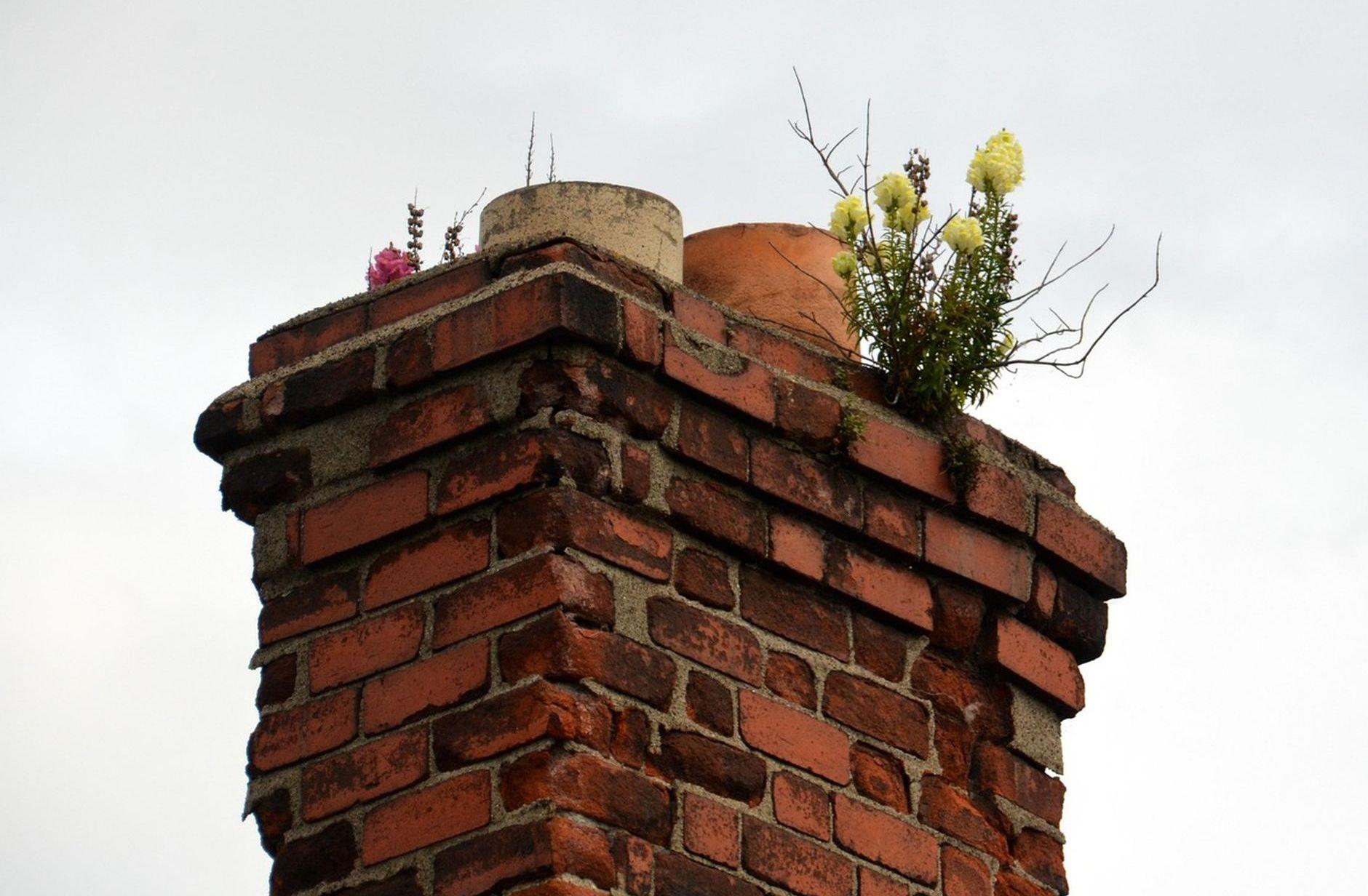
Many houses around Covina, Baldwin Park and La Verne have brick chimneys with clay tile liners, and the same handful of findings come up in them:
- Mortar joints between tiles that have opened, or a tile cracked through
- A section of liner shifted sideways from old shaking
- Layers of creosote that show how hard the fireplace was used and how long since a sweep
- A cracked crown or a cap screen rusted through
- A throat damper rusted open or shut
- Rough, stepped brick in the smoke chamber where deposits collect
None of these is rare, and several are cheap to put right. The report's job is to tell you which is which.
The visit itself
We start inside: the firebox, the damper, the smoke chamber and the hearth in front of the opening. The camera then travels each flue, from below or down from the roof when the cap and access allow, and the run is recorded. From the attic we look at the stack where it passes the framing, and from the roof at the crown, the cap and the flashing where brick meets roofing. If the house is occupied, the seller or listing agent arranges access, so tell us who will open the door. The report that follows starts with a one-page summary, then walks the chimney from bottom to top with a still from the footage beside each finding.
What the findings mean for a cleaner-burning plan
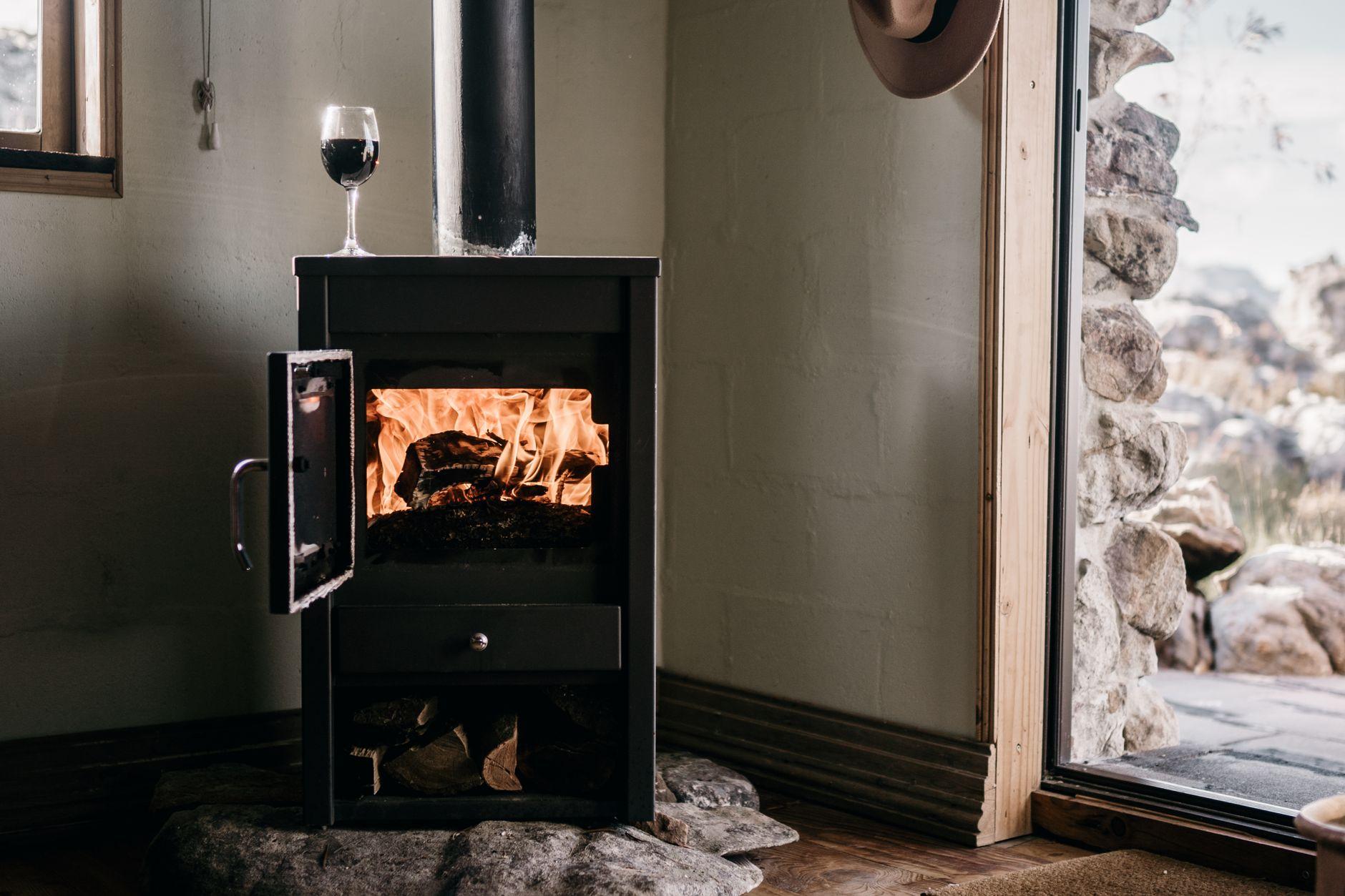
A lot of buyers plan to change the fireplace soon after closing, usually toward less smoke. That changes how to read the report. A cracked tile is a serious finding for an open wood fire, but if you intend to fit an insert, the stainless liner it needs runs past the damaged tile anyway, and the crack becomes part of the insert quote rather than a separate repair. A gas insert runs $2,650 to $5,250 installed here, so a buyer can put a real figure beside the fireplace before the deal closes. Tell us your plan when you book and the report will address it.
What decides your next step
Each finding on our report gets one of three marks: fine as it is, keep an eye on it, or repair before the next fire. The marks, and whether the footage shows enough to price a repair, decide what you do next. Where it does, the last page gives a written quote for that repair, numbered to the finding. Where it does not, it says what still has to be seen.
Tell us the address and how many fireplaces the house has to book the Level 2
Who sees the report
The report and its footage go to the people you name when you book: you, your agent, and the seller's side if you choose. It goes nowhere you have not listed. Your agent can read page one in a minute; the photos and stills behind it carry the detail a contractor or a seller's agent will want.
If your agent books chimney inspections often, our page for real estate agents explains how we handle repeat bookings, and our home sale inspection page covers older houses in more depth.
For sellers
Sellers book the same inspection before listing so the buyer's report holds nothing new. If something turns up, there is time to fix it with a quote in hand rather than a credit argued over in escrow, and the completed repair goes into the disclosures with its photos.
After you close
Keep the report with the house papers. It is the baseline for every later inspection and the first thing a future buyer will ask for. If you go ahead with an insert, the same footage saves a second camera run when we write the insert quote. If you keep the open fire instead, the report tells you what the yearly sweep, from $395, will be watching for, and whether any finding should be dealt with before the first cold night in your new house.
Book the inspection
Buying in Covina or a nearby town? Set the Level 2 through our contact page and name who should receive the report.
Put This Article to Work at Your Hearth
Maynard Chimney Pros can do the work covered here on your own fireplace, with any price beyond our list given in writing first. We work out of Covina and visit Baldwin Park, Glendora, La Verne, Monrovia and nearby cities.